

Our therapists are always swapping recommendations, and clients ask us regularly for books and podcasts to use between sessions.
This page is a curated collection of what we genuinely stand behind: books, podcasts, and downloadable handouts organized by the topics we most often work through together.
If something here resonates with you, bring it into your next session. We’re happy to help you find what fits and make the most of it.
A note before you dive in: this page is here to support your therapy, not replace it. Start small. Pick one category that feels relevant right now and try one resource this week.
Not every resource is right for every person, and timing matters. Some books and podcast episodes can feel activating depending on where you are in your healing. When in doubt, ask us. We’ll help you find something that supports you without overwhelming you.

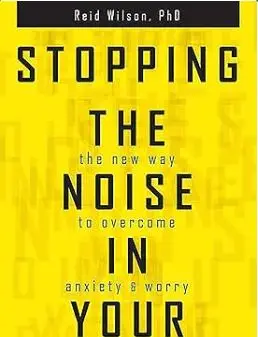
Helps normalize intrusive thoughts and anxiety by treating them as mental events rather than problems to eliminate. Clients often find the paradoxical strategies (leaning into uncertainty, riding the wave) relieving and empowering.
Best for clients willing to practise.
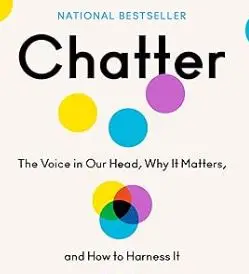
Research-informed tools for stepping back from rumination and harsh self-talk. Clients like the practical strategies they can try immediately.
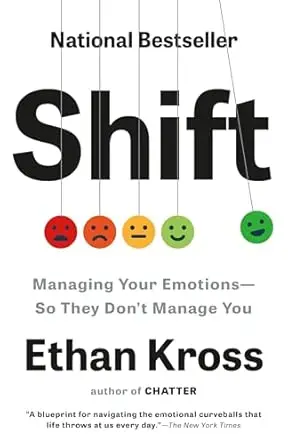
Skills-forward approach to emotion regulation for moments when feelings feel bigger than coping. A helpful companion when building a “what do I do when I’m activated?” plan.

Practical, recovery-oriented content that helps reduce fear-of-fear and supports exposure-based change.
Direct tone; recommend specific episodes.
Practical mindfulness and behaviour change conversations that feel usable (especially for sceptics).
Big catalogue—offer a short starter list.

Research-grounded, practical guidance for understanding adult ADHD and building supports that actually work. Clients often feel less shame and more clarity about realistic strategies.
Dense; recommend specific chapters.

Reduces shame and turns ADHD patterns into practical experiments and skills.
Adult-focused.

Concrete tools for focus, planning, motivation, and realistic systems.
Tactical—pair with values/identity work in therapy when needed.

Helps clients look back as an observer and understand how emotionally immature parenting can shape adult self-doubt and boundaries. Aidan appreciates the vignettes and the non-blaming lens, which helps clients approach this work more safely.
Introduce slowly for major childhood relational trauma.

Clear overview of attachment styles and how they show up in dating and partnership dynamics. Clients often like how quickly it helps them name patterns that felt personal or confusing.
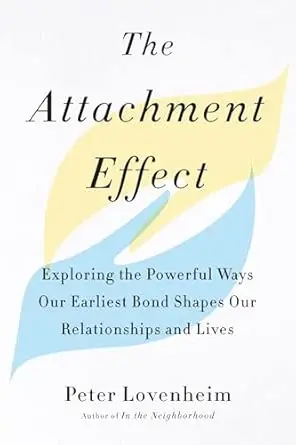
Accessible and enjoyable, blending personal story with research and expert voices. Clients like the balance of vulnerability and empirical grounding.

Deepens assessment literacy and practical application in clinical settings.
Not designed for most clients.

Thoughtful education on ADHD/autism and lived experience with practical strategies.
Introduce gently for label-avoidant clients.

Translates relationship research into clear, practical exercises couples can use right away. Clients often like how it strengthens friendship and reduces blame while improving conflict skills.

Attachment-based tools for building safety, repair, and co-regulation in real time. Couples often appreciate how it explains patterns and offers a path back to “same team” functioning.

Helps partners understand that love is expressed and received differently. Clients often find it’s an easy way to improve communication and appreciation quickly.

Structured and focused for people at a relationship crossroads who need help organizing their thoughts. Useful to read selectively because the chapter topics are self-evident and easy to navigate.
Use caution if there is abuse or coercive control; safety planning comes first.

Real-session listening that helps couples recognize patterns and find language for hard topics.
Can feel emotionally intense—pace it.

Short, research-informed micro-skills for connection and repair that feel doable.
Add-on support, not a substitute for therapy.
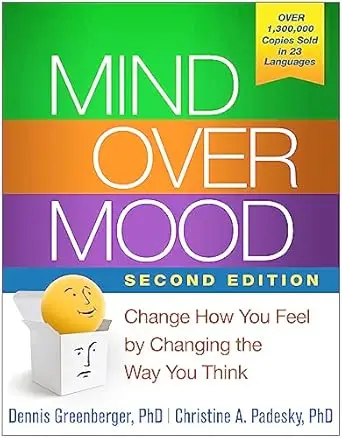
Classic CBT workbook-style resource with structured exercises for anxiety and depression. Works well for clients who like clear steps and want practical practice between sessions.
Best used selectively to avoid overwhelm
Candid conversations that reduce stigma and isolation (often with a touch of humour).
Heavier episodes—recommend selectively.

Science-heavy deep dives on sleep, focus, stress, and habit change with clear protocols.
Long/technical—recommend one episode per goal.

Research-driven storytelling that helps clients spot patterns in thinking, motivation, and identity.
More insight than step-by-step tools.
Evidence-based wellbeing practices that support mood and resilience.
Supportive, not treatment.

Credible, research-based psychology topics without influencer noise.
Some episodes are more academic—curate.

Short, structured takeaways from books and ideas that translate into experiments.
Not therapy-specific; frame as tools.

Validates grief without trying to rush meaning-making or positivity. Clients often find it reassuring because it reflects grief as something you carry and integrate, not something you “fix.”

Honest grief stories that normalize the messy reality of loss without forcing silver linings.
Can be activating—choose episodes intentionally.

Demonstrates how meaning can be found even amid extreme suffering and introduces logotherapy through Frankl’s lived experience. Useful mid-treatment when clients are wrestling with “What’s the point?” or a sense of emptiness.
Content can be triggering; not ideal early in treatment for severe PTSD/acute crisis.

Practical exercises to address what’s keeping you stuck and provides a roadmap for moving forward. Many clients like that it can be worked through more than once with different outcomes.
Best worked through in order.
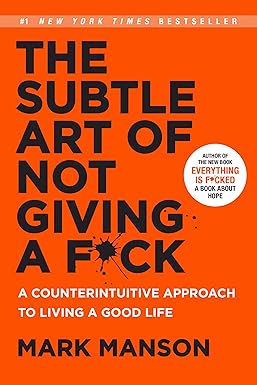
Humorous and insightful, and it helped Victor through a challenging recovery by refocusing on what matters. It can help readers stop getting pulled into distractions that don’t add much to happiness.
Not a fit for clients who dislike blunt language.

Speaks to the hard work of growing up emotionally and taking responsibility for life and relationships. The focus on discipline, patience, and delayed gratification is a reminder that worthwhile change takes time.
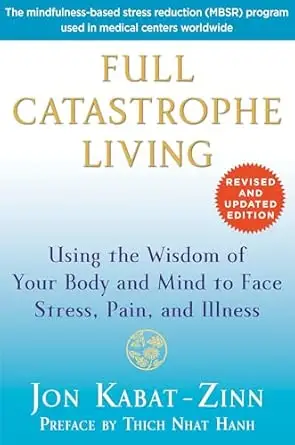
Taught Victor how to slow down and meet life as it is, especially when things felt overwhelming or out of control. The evidence-based mindfulness practices feel grounding and offer a steadier response to stress and anxiety.
Best approached as a practice, not just a read.
Normalizes intrusive thoughts and reduces shame through stories and expert interviews.
Curate episodes to avoid triggering content.

Concrete approach to parenting inflexible children prone to extreme dysregulation. Parents often find relief in the idea that “children do well when they can” and that behaviour reflects lagging skills, not bad intent.

Neurobiological framework focusing on attunement, clear boundaries, and strengthening the parent-child relationship. Clients like the balance of empathy and leadership.

A must-read for parents of girls from around ages 9–10 through young adulthood, written without jargon. It highlights when parents need to intervene and what’s developmentally normal, and many parents return to it more than once.

Practical parenting support focused on boundaries, regulation, and repair without shame.
Use short episodes for overwhelmed parents.

Helps reduce power struggles and strengthens calm, consistent parenting.
Mindset-first approach may take time to click.
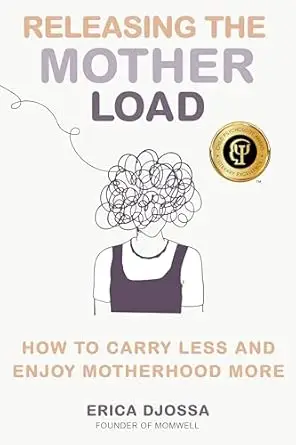
Helps mothers feel less alone while naming the invisible load of parenting and offering practical steps forward. Can be read cover-to-cover or opened to the chapter that fits the moment.

Addresses invisible load, overwhelm, identity shifts, and practical supports.
Can be tender—pace listening.

Strong perinatal mental health coverage with expert interviews.
Suggest specific episodes.
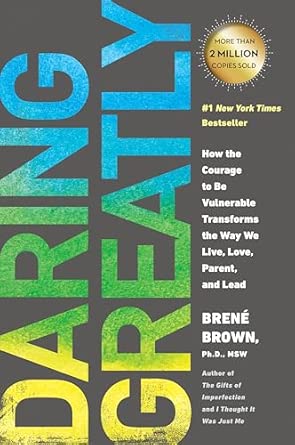
Explores shame, unworthiness, and vulnerability in a relatable way. Clients often find it motivating because it encourages courage and emotional honesty without perfectionism.

A hopeful take on growth that goes beyond talent and focuses on curiosity, effort, and working through discomfort. Many clients find it inspiring when they feel stuck or behind.

Strong conversations on shame resilience, vulnerability, and emotional honesty.
Curate episodes—some are long.

Action-forward mindset and behaviour-change episodes that help clients move from insight to follow-through.
High-energy tone isn’t for everyone.
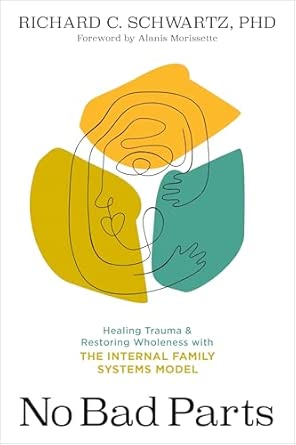
Gentle introduction to parts work that helps people understand the inner critic and build self-compassion. Clients often feel empowered by learning a new way to relate to painful inner experiences.
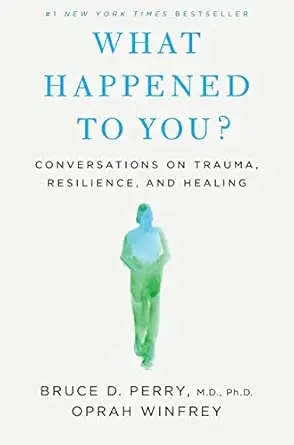
Shifts the question from “What’s wrong with me?” to “What happened to me?” Clients often feel less shame and gain clarity about nervous system patterns and healing.

Foundational book on how trauma can live in the body and nervous system and why recovery often needs more than insight alone. Many clients find it validating and language-giving.
Can be intense; best read slowly and selectively.
Nervous system education in plain language that reduces fear of symptoms and supports stabilization.
Avoid information overload.
The resources on this page are for educational and informational purposes only and are not a substitute for psychotherapy, assessment, medical care, or crisis support. Some topics may feel emotionally activating; if you notice distress increasing, pause, ground yourself, and consider discussing the material with your therapist. If you are in immediate danger or need urgent support, call 911 or go to your nearest emergency department.
We refresh this page regularly as our therapists add new recommendations.
A newsletter from ReFresh Psychotherapy sent every two months, offering practical mental health tools, thoughtful insights from the therapy room, and resources you can actually use.